In the modern digital era, a website is no longer just an online brochure. It represents a business’s identity, credibility, and professionalism. For many customers, a website is the first interaction they have with a brand, and that first impression often decides whether they stay or leave. As technology, user behaviour, and digital trends continue to evolve, websites that were effective a few years ago may no longer meet today’s expectations. This is why website redesigning has become more important than ever for businesses that want to remain competitive and relevant.
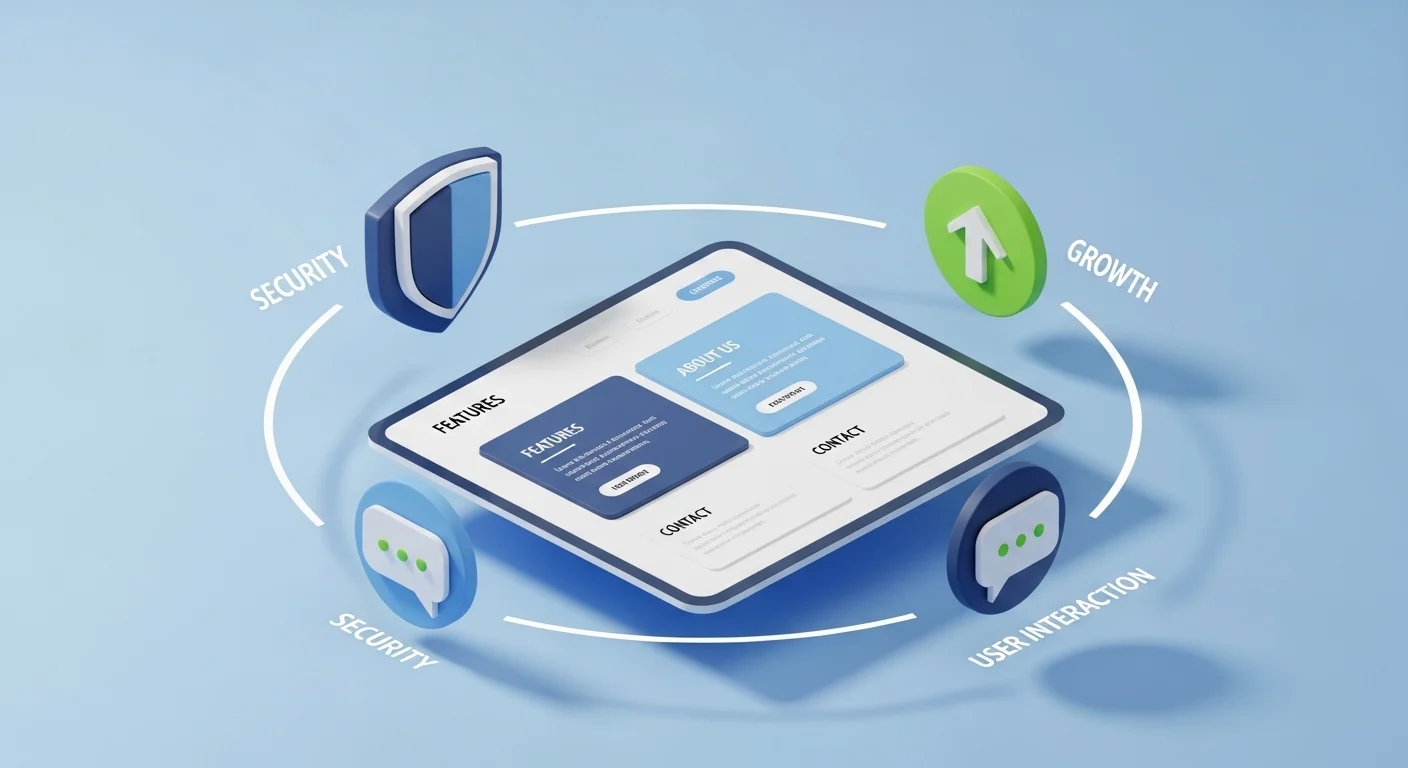
Website redesigning is not only about changing colours or layouts. It involves improving usability, performance, security, and overall user experience. Businesses that invest in redesigning their websites can benefit from higher engagement, better search engine rankings, increased conversions, and stronger brand trust.
Why Website Redesigning Is Necessary
-
Changing User Expectations
User expectations have changed significantly over the years. Today’s users expect websites to load quickly, look modern, and be easy to navigate. If a website feels outdated, cluttered, or slow, users often leave within seconds.
Users prefer clean designs, clear content structure, and smooth browsing experiences. A redesigned website helps businesses meet these expectations by offering improved layouts, intuitive navigation, and faster performance. When users find it easy to explore a website, they are more likely to trust the brand and take action.
-
Increased Focus on Mobile Users
Mobile devices now account for a major share of internet traffic. Many users browse, shop, and book services directly from their smartphones. A website that does not work well on mobile devices can frustrate users and drive them away.
Website redesign ensures that the site is fully responsive, meaning it adapts smoothly to different screen sizes. Mobile-friendly design improves readability, button placement, and overall usability. In addition, search engines prioritise mobile-optimised websites, making redesigning essential for better online visibility.
A Website as a Reflection of Brand Identity
A website is often seen as a direct reflection of a business. An outdated design may create an impression that the business is not active, modern, or trustworthy. On the other hand, a fresh and professional website builds confidence and strengthens brand identity.
Redesigning allows businesses to align their website with updated branding elements such as logos, colours, fonts, and messaging. Consistent branding across all pages helps create a strong and memorable image in the minds of visitors. This consistency plays an important role in building long-term trust and recognition.
Improved User Experience and Engagement
User experience is one of the most important factors in website success. A redesigned website focuses on making interactions smooth and enjoyable. Clear navigation menus, logical page flow, and easy access to information reduce user frustration.
When users can find what they are looking for without effort, they tend to spend more time on the site. Increased engagement signals quality to search engines and improves the chances of conversions. Website redesign places strong emphasis on usability, ensuring that visitors have a positive experience from start to finish.
Better Website Performance and Speed
Website speed plays a critical role in retaining visitors. Slow-loading pages can increase bounce rates and negatively affect search engine rankings. Older websites often suffer from unoptimised images, outdated code, and heavy scripts.
Redesigning a website allows developers to optimise performance by improving code structure, compressing images, and using modern technologies. Faster loading speeds improve user satisfaction and contribute to better overall website performance.
SEO Benefits of Website Redesign
Search engine optimisation standards are constantly evolving. Websites that do not keep up with technical and content-related SEO updates may struggle to rank well in search results.
Website redesign helps businesses improve key SEO factors such as page speed, mobile compatibility, site structure, and content optimisation. Clean URLs, proper heading structures, and improved internal linking make it easier for search engines to crawl and index pages.
Additionally, redesigning provides an opportunity to refresh content, target relevant keywords, and improve readability. All these factors contribute to increased organic traffic and better online visibility.
Enhanced Conversion Rates
One of the main goals of any business website is to convert visitors into customers. Whether the goal is to generate leads, sell products, or encourage enquiries, conversion-focused design plays a major role.
A redesigned website uses clear call-to-action buttons, improved layouts, and persuasive content placement. Forms become easier to fill, checkout processes become smoother, and navigation becomes more logical. These improvements reduce friction and increase the likelihood of users completing desired actions.
Improved Security and Technology Updates
Older websites may rely on outdated plugins, frameworks, or security practices. This can expose the site to cyber threats and data breaches. Website redesign provides an opportunity to implement modern security measures.
Updated platforms, secure hosting, and improved encryption help protect user data and business information. Security is a major concern for both users and search engines, making it essential for businesses to keep their websites up to date.
Better Compatibility With Modern Tools
Modern businesses often use digital tools such as customer relationship management systems, booking software, chatbots, and analytics platforms. Older websites may not support smooth integration with these tools.
Redesigning a website allows seamless integration with modern technologies. This improves operational efficiency and enhances user interaction through features like live chat, automated forms, and personalised experiences.
Staying Ahead of Competitors
Competition in the digital space continues to grow. Businesses that fail to update their websites risk falling behind competitors who invest in modern design and technology.
A redesigned website helps businesses stand out by offering a better visual experience, clearer messaging, and superior usability. Staying updated shows that the business is active, professional, and focused on customer satisfaction.
Long-Term Cost Efficiency
While website redesigning requires an initial investment, it can reduce long-term costs. A well-structured and modern website is easier to maintain, update, and scale.
Improved performance, fewer technical issues, and better user engagement reduce the need for frequent fixes. Over time, this results in better returns and more sustainable digital growth.
Conclusion
Website redesign is not a luxury but a necessity for businesses aiming to succeed online. It helps meet modern user expectations, improves mobile performance, strengthens brand identity, and enhances security. A redesigned website supports better SEO, higher engagement, and improved conversion rates, making it a powerful business asset. By investing in website redesign, businesses position themselves for long-term growth, stronger customer trust, and continued relevance in an ever-evolving digital landscape.